A vegetarian is someone who avoids all meat, including poultry and seafood, as well as products containing these foods. Vegan and vegetarian diets have a beneficial impact on health outcomes by reducing the risk of conditions such as ischaemic heart disease and cancer. On the other hand, consuming a lot of red meat elevates the risk of type 2 diabetes and colon cancer, and heme iron plays an integral role in this risk. Vegetarians may suffer from vitamin deficiencies, despite the benefits they provide, particularly in iron. In this article, we will discuss the iron-rich foods for vegetarians in detail.
Thank you for reading this post, don't forget to subscribe!Types of Vegetarian Diets and Their Iron Needs
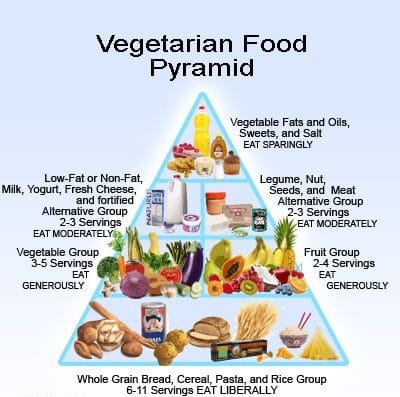
There are several classifications: lacto-ovo-vegetarians consume dairy and eggs; lacto-vegetarians include dairy but not eggs; and ovo-vegetarians eat eggs but not dairy. The vegan diet excludes all animal-derived foods. Additionally, individuals who follow a mostly vegetarian diet but still consume some meat are known as ‘demi-‘ or ‘semi-vegetarians’.
Vegetarians (those who avoid meat, poultry, and fish but consume dairy and/or eggs) and vegans (those who avoid all animal products) are known to be more vulnerable to iron deficiency.
Other problems associated with vegetarian diets include decreased absorption of iron from plant sources (compared to animal sources) due to dietary inhibitors such as phytate in plants.
Heme vs. Non-Heme Iron: What Vegetarians Should Know
Food comprises two types of iron: heme and non-heme iron. Heme iron, which is found in animal products, makes up 40% of total iron content and has a higher absorption rate (15%-35%) compared with non-heme iron, which is found primarily in plant foods such as whole-grain cereals, legumes, green vegetables, fruits, nuts, and fortified cereals.
In Australia, even non-vegetarians obtain almost all of their iron from plants, with less than 20% being derived from meat and over 40% from grain.
This pattern is similar in the United Kingdom. Iron-fortified cereals play a key part in the diets of both groups, especially those on energy-restricted programs, and recommended dietary intakes (RDIs) are based on assumptions about iron acquired from non-meat sources.
Why Iron Matters in a Vegetarian Diet
Iron is a crucial dietary mineral that is found in supplements and various types of food.
It is essential for the formation of haemoglobin, which transports oxygen in red blood cells, and myoglobin, a protein that assists in supplying oxygen to muscles. Additionally, iron enhances cellular function, brain development, physical growth, and hormone production.
Vegetarians depend on the iron from vegetables more than that from meat, which is less efficiently absorbed. So, they are always in need of monitoring the level of iron in their blood.
Daily Iron Requirement for Vegetarians and Vegans
Based on a 1991 study that has drawn controversy for its methodology, the recommended daily intake (RDI) for iron in Australia suggests that vegetarians need 1.8 times more iron than non-vegetarians.
One group in this study received meals that enhanced iron absorption, while the other group consumed diets that avoided it.
The UK doesn’t recommend a higher iron need for vegetarians or pregnant women, considering adequate body reserves of iron and improved absorption during pregnancy, even though variations in menstrual loss have significant effects on women’s iron status.
Long-term vegetarians’ increased iron absorption, especially when consuming meals high in vitamin C, raises the question of whether a higher iron requirement is truly necessary.
It is recommended that future studies investigate average vegetarian diets over a longer period of time. In addition, because of some of the physiological factors that make it more challenging to evaluate iron status, obesity has been linked to higher levels of iron insufficiency.
Besides the requirements for other nutrients, a sample meal plan has been provided for (L-O-V) women between the ages of 19 and 50 to meet their iron demands.
Iron Deficiency Risks in Vegetarian Diets
Iron intake from vegetarian and vegan diets is generally comparable to that from mixed diets. There was a small disparity in iron intake between vegetarians and meat eaters, according to the UK National Diet and Nutrition Survey conducted in 2003.
Although serum ferritin levels may be lower in vegetarians, these levels are still within normal limits, and it’s unknown what that represents.
The risk of iron deficiency anaemia is comparable for vegetarians and non-vegetarians in Western nations, such as Australia. The primary way that iron shortage impacts function is when haemoglobin levels decline, which is not well-established among vegetarians.
Haemoglobin and transferrin saturation, both indicators of iron status, are not significantly different between the two groups, according to studies; nevertheless, some suggest that vegetarians may have reduced iron storage, as shown by serum ferritin levels.
Factors That Affect Iron Absorption in Vegetarian Diets
-
- Non-heme iron bioavailability is affected by various dietary components that can either enhance or inhibit absorption.
- Main inhibitors include phytate (found in legumes, nuts, and wholegrain cereals), polyphenols (in tea, coffee, cocoa, and red wine), and calcium (which has a limited long-term effect).
- Phytate can be reduced through processing, soaking, sprouting, and leavening, but may also offer antioxidant health benefits.
- Oxalic acid has a minor effect on iron absorption, contrary to previous assumptions.
- Vitamin C significantly enhances non-heme iron absorption, potentially increasing it sixfold in individuals with low iron stores by converting ferric (Fe³⁺) to ferrous (Fe²⁺) iron.
- Organic acids (citric, malic, and lactic), vitamin A, and β-carotene also enhance absorption.
- Erythorbic acid, a derivative of ascorbic acid, is nearly twice as effective in enhancing iron absorption.
- Meat enhances non-haem iron absorption, while some animal proteins inhibit it; however, iron from soy protein is well-absorbed and beneficial.
Read more — What Decreases Iron Absorption?
Common Signs & Symptoms of Low Iron Levels
The vast majority of symptoms of low iron level are general and are associated with reduced oxygen supply and decreased enzyme activity.
These symptoms comprise the following: –
-
- General tiredness.
- Weakness.
- Low attention span.
- Irritability.
- Headaches.
- Shortness of breath.
- Reduced exercise capacity.
- Brittle nails.
- Dysphagia.
- Dry mouth.
- Hair loss.
- Restless leg syndrome.
Top Iron-Rich Vegetarian Food List
Vegetarians can get iron from the following sources: –
-
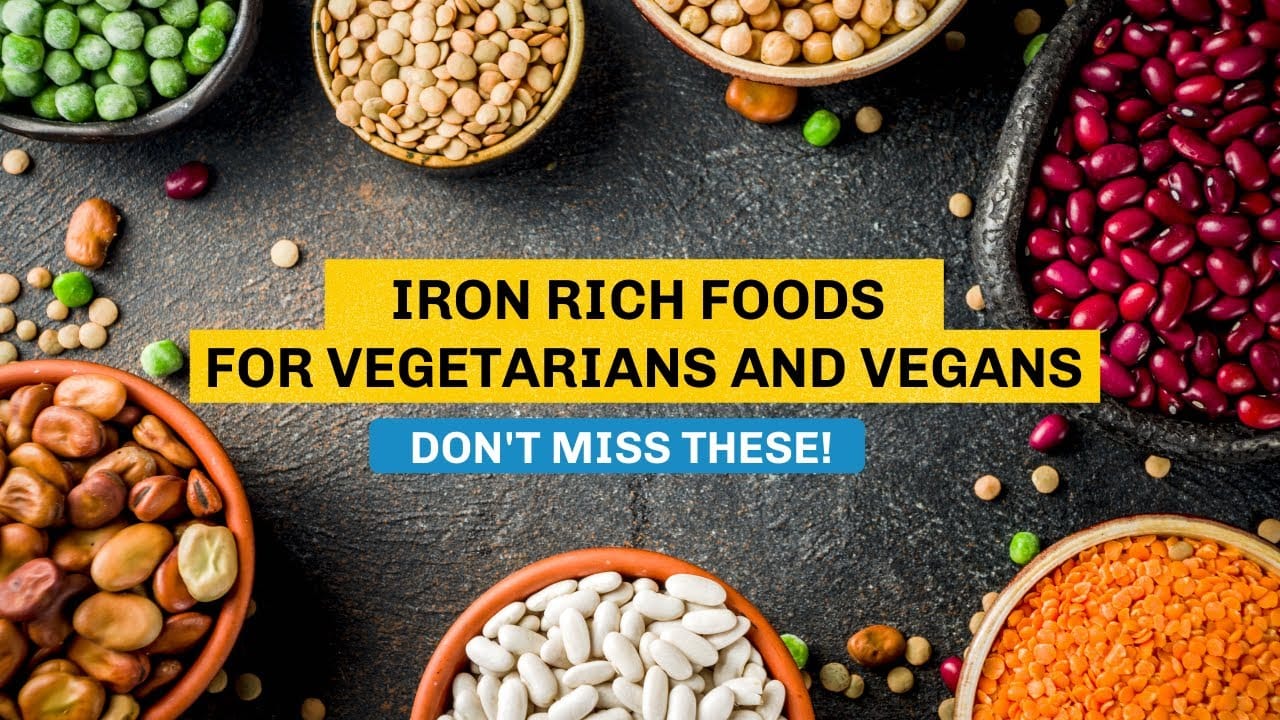
- Legumes, including kidney beans, chickpeas, and lentils, as well as dried fruits like apricots.
- Dark green vegetables like watercress, broccoli, spinach, and spring greens are also good sources of iron.
- Meats and eggs: beef, turkey, chicken, dried beef, liver, and eggs.
- Fruits: watermelon, strawberries, dates, dried apricots, dried peaches, and prune juice.
- Bread and cereals: include bread made from whole grain and wheat, fortified cereals with iron, oat/bran cereals, and nuts.
- Corn syrup, molasses, and maple syrup.
Read more — Iron Rich Foods | Everything About Iron
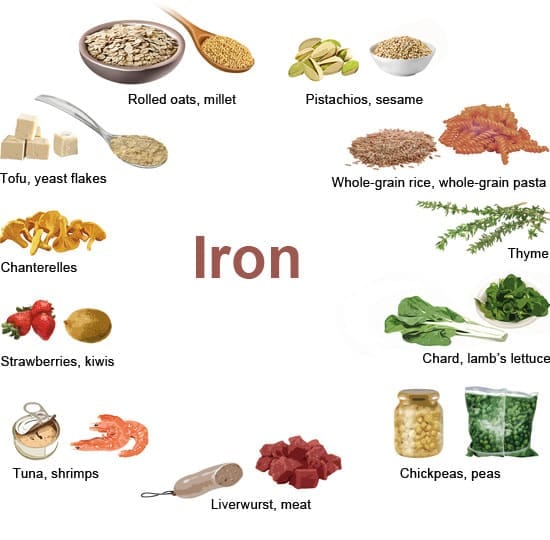
Delicious Vegetarian Meals Packed with Iron
-
- Roasted vegetable salad.
- Creamy mushroom pasta.
- Lentil curry.
- Apricot and chocolate bar.
- Roasted nuts.
- Tofu.
Tips to Increase Iron Absorption
– Acidic food items, such as vitamin C, can improve iron absorption, but they become less effective on an acidic empty stomach pH.
– Avoiding inhibitors like phytates and polyphenols is more beneficial than using absorptive aids. Iron-rich foods like spinach and legumes may contain phytates that inhibit absorption.
– Enzymatic degradation of phytic acid improves iron absorption from cereals and legumes through methods such as soaking, germination, and fermentation.
– A healthy gut flora could help non-heme iron absorption, with preliminary research indicating that the colon possesses higher iron bioavailability than the small intestine.
Final Thoughts on Staying Iron Healthy
Maintaining adequate iron levels requires a balanced strategy, which involves a balanced diet, proper dietary habits, and appropriate medical guidance if needed.
The trick is finding the “just right” balance, as both too little and too much iron can lead to health issues. It is recommended that both vegetarians and non-vegetarians regularly track their iron levels and improve their diet with regard to the iron content and bioavailability by ingesting more plants and less meat.
References
- Saunders, A. V., Craig, W. J., Baines, S. K., & Posen, J. S. (2013). Iron and vegetarian diets. Medical Journal of Australia, 199(4), S11-S16. From Wiley Online Library.
- Haider, L. M., Schwingshackl, L., Hoffmann, G., & Ekmekcioglu, C. (2017). The effect of vegetarian diets on iron status in adults: A systematic review and meta-analysis. Critical Reviews in Food Science and Nutrition, 58(8), 1359–1374. From Taylor and Francis Online Journals.
- Moore S. (2022). Lifestyle Strategies to Boost Total Body Iron. American journal of lifestyle medicine, 19(4), 611–615. From Sage Journals.