
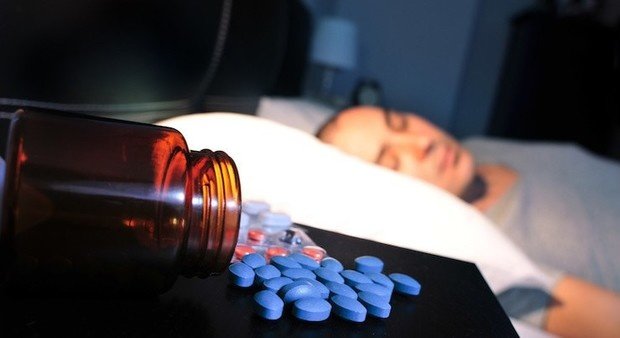
Insomnia disorder is a major public health issue in the United States, affecting many people, particularly older adults. A detailed sleep history is crucial for diagnosis and treatment, as many patients in medical settings report sleep interruptions, which increases the risk of sleep deprivation. Non-pharmacological therapies are preferred, while sleep aids remain extensively and commonly used. This article describes present practices for evaluating sleep and prescription sleep aids available to people in the United States.
Thank you for reading this post, don't forget to subscribe!What Is Insomnia?
Insomnia is a widespread sleep disorder that is sometimes underestimated. It is characterized by difficulty falling or staying asleep at least three times per week for three consecutive months, despite having adequate sleep. It causes common problems in adults, such as feeling tired, lack of energy, irritability, and confusion, as well as discomfort with sleep quality. In children, insomnia is often characterized by resistance to going to bed and poor academic performance, which are typically observed by parents or caregivers.
Common Causes of Insomnia and Sleep Problems
Common predisposing factors include advancing age, female gender, depression, increased perceived stress, hypnotic intake, drug abuse, and a family history of insomnia.
Lower socioeconomic status has been associated with insomnia, but racial and ethnic minorities are less likely to report it, possibly due to issues related to employment.
Insomnia is associated with a range of chronic health conditions, including heart disease, cancer, neurologic disease, chronic urinary and gastrointestinal issues, and chronic pain.
Up to 40% of those affected suffer from psychological problems such as depression, anxiety, and post-traumatic stress disorder (PTSD).
Stressful life events, medical or psychiatric disorders, and drugs that promote insomnia, such as steroids, are all potential triggering factors.
Best Over-the-Counter Sleep Aids in the USA (2025 List)
There are plenty of over-the-counter remedies for managing insomnia, such as medications, nutritional supplements, and homeopathic and herbal remedies. Examples of these products:
1. Magnesium
Magnesium could help regulate melatonin production and promote sleep. Additionally, by suppressing calcium and controlling contractions, magnesium helps to relax muscles.
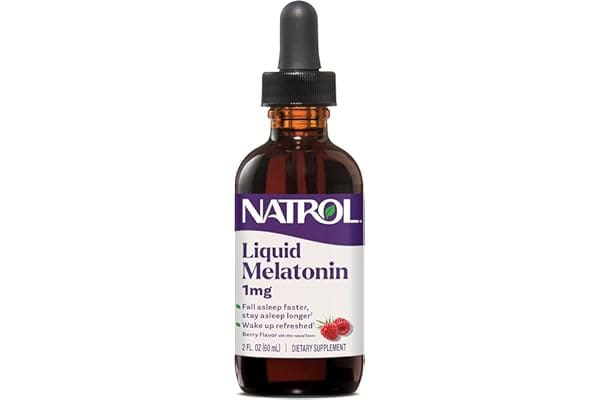
2. Melatonin
Endogenous melatonin is a hormone released by the pineal gland that regulates sleep-wake cycles by interacting with the suprachiasmatic nucleus and retina, which promotes sleep while blocking wake signals via MT1 and MT2 receptors. The FDA does not approve exogenous supplements containing melatonin for any use, although melatonin receptor agonists such as ramelteon and tasimelteon are available on the market and FDA-approved for the treatment of insomnia.
3. Valerian
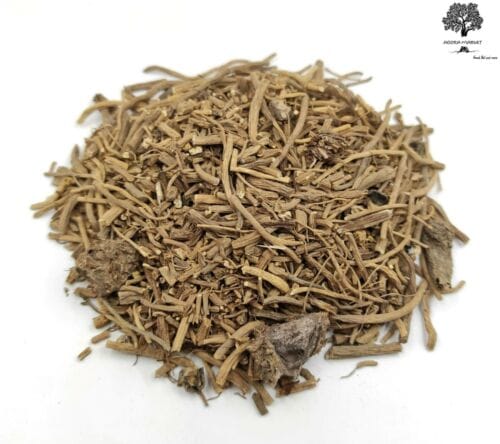
Valerian has been used for medicinal purposes since the first century and is most commonly recognized for its sedative and hypnotic properties, but it also displays diuretic and menstrual-stimulating qualities. The FDA has categorized the most popular species, Valeriana officinalis, as a dietary supplement. It is used for managing minor nervous tension and sleep problems, such as insomnia, with a recommended dose of 400-600 mg of dry extract or 0.3-3 g of root. While typically safe, valerian may have some gastrointestinal adverse effects.
4. Lavender Oil
Because of its ease of use and low risk of adverse effects, inhalation aromatherapy with lavender essential oil has grown into an increasingly popular non-pharmacological treatment. Lavender oil has sedative, antidepressant, and antibacterial properties that help treat headaches and insomnia.

5. Glycine
Exogenous glycine improves sleep via modulating thermoregulation and circadian rhythms via N-methyl-D-aspartate (NMDA) receptor activation in the suprachiasmatic nucleus (SCN). As a non-essential amino acid, glycine functions as both an inhibitory neurotransmitter and an excitatory modulator. Oral glycine treatment induces non-rapid eye movement (NREM) sleep, lowers core temperature, and increases cutaneous blood flow (CBF) in a dose-dependent manner, enabling peripheral vasodilation and sleep induction through NMDA receptor activation.
6. Passionflower
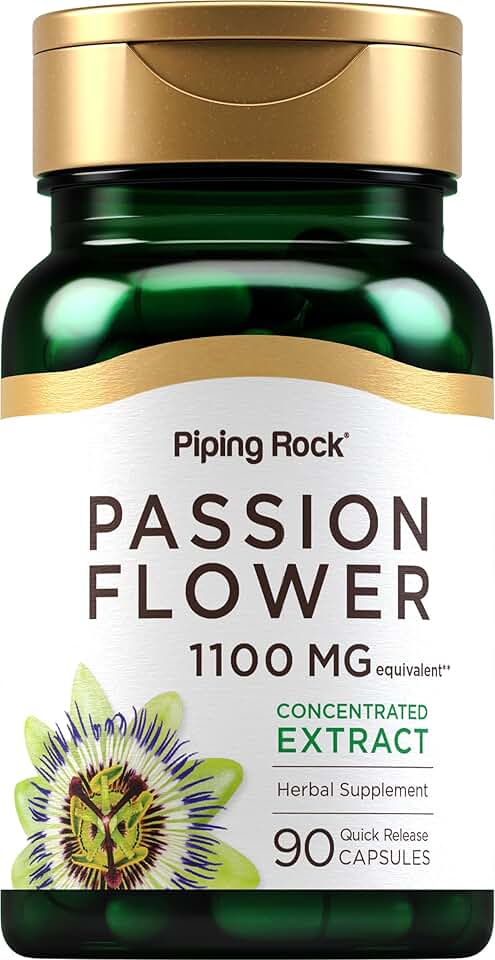
Passiflora incarnata possesses components that promote the presence of slow-wave sleep (SWS) while inhibiting Rapid Eye Movement (REM). The extracts have been demonstrated to lower sleep latency and increase SWS, indicating that they could be useful as a sleep inducer, particularly for individuals with insomnia who have difficulty falling asleep.
7. Tryptophan
L-tryptophan (Trp) is a physiological agent that can be obtained from diets high in protein and supplements, such as milk. According to earlier studies, supplementing with α-lactalbumin and Trp is linked to improved sleep quality and better sleep outcomes. Although Trp’s effects on sleep vary, a smaller dose of 0.25 g may be helpful, but a 1 g dose shows more consistent benefits; doses of 1–5 g have been recommended for treating insomnia or sleep disorders.
8. Diphenhydramine
Diphenhydramine, at a dose of 50 mg before sleeping, effectively treats short-term insomnia in healthy young and adult patients. However, it should be avoided by the elderly, people with cardiac or pulmonary conditions, and those using sedatives. Its efficacy compares well to other sleep aids, although it frequently causes next-day drowsiness and cognitive impairment. While it is normally recommended that patients take it as an OTC medication, they should be aware of the potential adverse effects, such as drowsiness and decreased performance. Although the risk of dependence is lower than with other hypnotics, the likelihood of addiction is still a concern. Thus, diphenhydramine can be used as a short-term treatment provided the risks and benefits are balanced.
How to Use OTC Sleep Aids Safely and Effectively
-
- Consult your physician regularly.
- Carefully read the label and package inserts.
- Be aware of potential side effects.
- Avoid using OTC sleeping aids too late, or you will feel drowsy and unable to function well the next day.
- Do not take more than the recommended dose.
- Avoid driving and using machines while on OTC sleep aids.
- Only use those products for short-term management of insomnia.
- Concerning melatonin, start with low doses (1-2 mg), and consult your physician if you are pregnant, breastfeeding, or suffering from any chronic medical conditions.
When to See a Doctor for Chronic Sleep Issues?
You should soon consult your healthcare professional if you find the following events:
-
- The symptoms interfere with day-to-day activities or last for more than four weeks.
- Frequent overnight wake-ups brought on by dyspnea.
- When at rest, the legs feel trembling and uncomfortable.
- Sleep gets interrupted by heartburn.
- Nighttime awakenings caused by physical pain.
- Noticeable changes in appetite, energy, and mood.
References
- He, C., Wang, B., Chen, X., Xu, J., Yang, Y., & Yuan, M. (2025). The Mechanisms of Magnesium in Sleep Disorders. Nature and science of sleep, 17, 2639–2656. Tylor & Francis Group.
- Savage RA, Zafar N, Yohannan S, et al. Melatonin. [Updated 2024 Feb 9]. In: StatPearls [Internet]. Treasure Island (FL): StatPearls Publishing; 2025 Jan-. Available from: National Library of Medicine.
- Shinjyo, N., Waddell, G., & Green, J. (2020). Valerian Root in Treating Sleep Problems and Associated Disorders: A Systematic Review and Meta-Analysis. Journal of evidence-based integrative medicine, 25, 2515690X20967323. Sage Journals.
- Yin, X. J., Lin, G. P., Wu, X. Y., Huang, R., Xu, C. J., & Yao, M. Y. (2024). Effects of lavender essential oil inhalation aromatherapy on depression and sleep quality in stroke patients: A single-blind randomized controlled trial. Complementary therapies in clinical practice, 55, 101828. ScienceDirect.
- Kawai, N., Sakai, N., Okuro, M., Karakawa, S., Tsuneyoshi, Y., Kawasaki, N., Takeda, T., Bannai, M., & Nishino, S. (2015). The sleep-promoting and hypothermic effects of glycine are mediated by NMDA receptors in the suprachiasmatic nucleus. Neuropsychopharmacology: official publication of the American College of Neuropsychopharmacology, 40(6), 1405–1416. Nature Portfolio.
- Guerrero, F. A., & Medina, G. M. (2017). Effect of a medicinal plant (Passiflora incarnata L) on sleep. Sleep science (Sao Paulo, Brazil), 10(3), 96–100. Sleep Science.
- Sutanto, C. N., Loh, W. W., & Kim, J. E. (2022). The impact of tryptophan supplementation on sleep quality: a systematic review, meta-analysis, and meta-regression. Nutrition reviews, 80(2), 306–316. OXFORD ACADEMIC.
- Ariza-Salamanca, D. F., Venegas, M., Parejo, K., Amado, S., Echeverry, J., & Calderón-Ospina, C. A. (2025). Expert Consensus on the Use of Diphenhydramine for Short-Term Insomnia: Efficacy, Safety, and Clinical Applications. Journal of Clinical Medicine, 14(10), 3297. MDPI.