The keto diet is a high-fat, low-carbohydrate program that promotes weight loss, mental clarity, and enhanced energy by inducing ketosis, a metabolic condition in which fat is the primary energy source. The objectives of this program include reducing body fat and increasing metabolic health, with evidence indicating that it may help reduce the risk of diseases such as type 2 diabetes, heart disease, and cancer.
Let’s dive deeply into this topic with our article.
What Is the Keto Diet?
The keto diet is characterized by a high fat intake (55% to 60%), moderate amount of protein (30% to 35%), and a low carbohydrate content (5% to 10%), which corresponds to approximately 20- to 50-gram carbs per day. Russell Wilder introduced it in 1921 as a therapy for epilepsy, and it successfully lowered the incidence of seizure episodes in some patients.
Despite an early fall in use due to the discovery of antiepileptic drugs, the diet regained popularity in the 1970s and has been the focus of considerable research for a variety of health issues. It has recently recovered its acceptance, particularly as a weight loss approach, with short-term results.

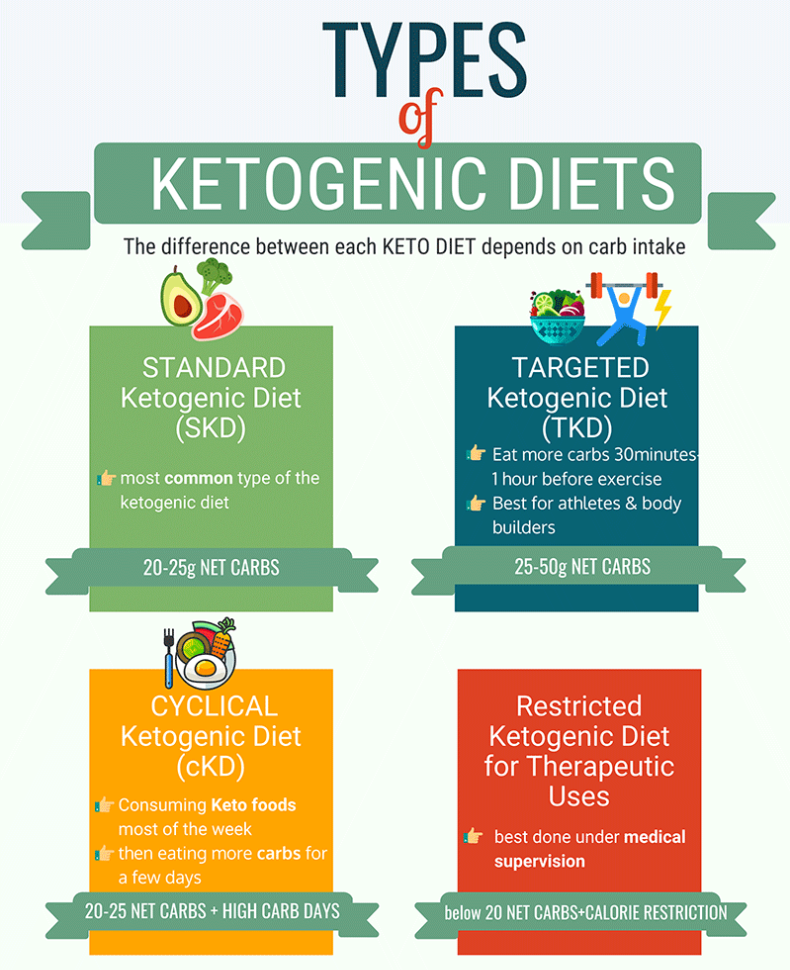
Types of Keto Diet
Four types of keto diets have been identified based on the percentage of macronutrients they include, which allows for better adherence to the regimens. These include the following: –
1. Standard Long-chain Triglyceride (LCT) Keto Diet
LCT KD is a standard ketogenic diet characterized by a 4:1 fat-to-protein and carbohydrate ratio, with fat accounting for approximately 90% of daily calories, primarily from Long-Chain Triglycerides.
This diet triggers ketosis, which allows ketones to be used for energy, and it is useful in treating epilepsy, Alzheimer’s, type 2 diabetes, obesity, and certain malignancies, besides reducing seizure frequency in children.
2. Medium-chain Triglyceride (MCT) Keto Diet
The medium-chain triglyceride diet, or MCT KD, is a modified form of the standard ketogenic diet that was first introduced in 1971.
It enhances carbohydrate intake while maintaining ketosis and is largely used as a dietary treatment for children with refractory epilepsy.
The MCT KD provides a higher proportion of calories from MCTs, which are more readily absorbed by the body.
Due to tolerance challenges, a modified version now contains 30% long-chain fats and 30% MCTs, down from 60% MCTs. The MCT KD might cause gastrointestinal adverse effects; however, they are controllable with careful management.
There is ongoing research concerning its neuroprotective benefits, such as in Parkinson’s disease.
3. Modified Atkins Diet (MAD)
MAD is an epilepsy-specific version of the traditional ketogenic diet inspired by the Atkins diet.
It offers similar choices for eating but is less restrictive, making it easier to follow. Unlike the standard KD, MAD does not follow a specific ketogenic ratio; instead maintains a fat-to-protein and carbohydrate ratio of 1:1 to 1.5:1, with no restrictive protein limitations.
There are no limitations on fluids and calories, offering greater energy intake flexibility.
Initially, carbohydrate consumption is limited to 10-15 grams per day, with a possible gradual increase of 20 grams after the first month to aid in the maintenance of ketosis for therapeutic purposes.
4. Low Glycemic Index Treatment
This approach emphasizes that the ketogenic diet (KD) is useful because it can keep blood sugar levels stable.
It has a low-carbohydrate content aimed at minimizing blood sugar spikes (with a glycemic index of less than 50) and is an effective antiepileptic intervention for children with intractable epilepsy.
How It Works
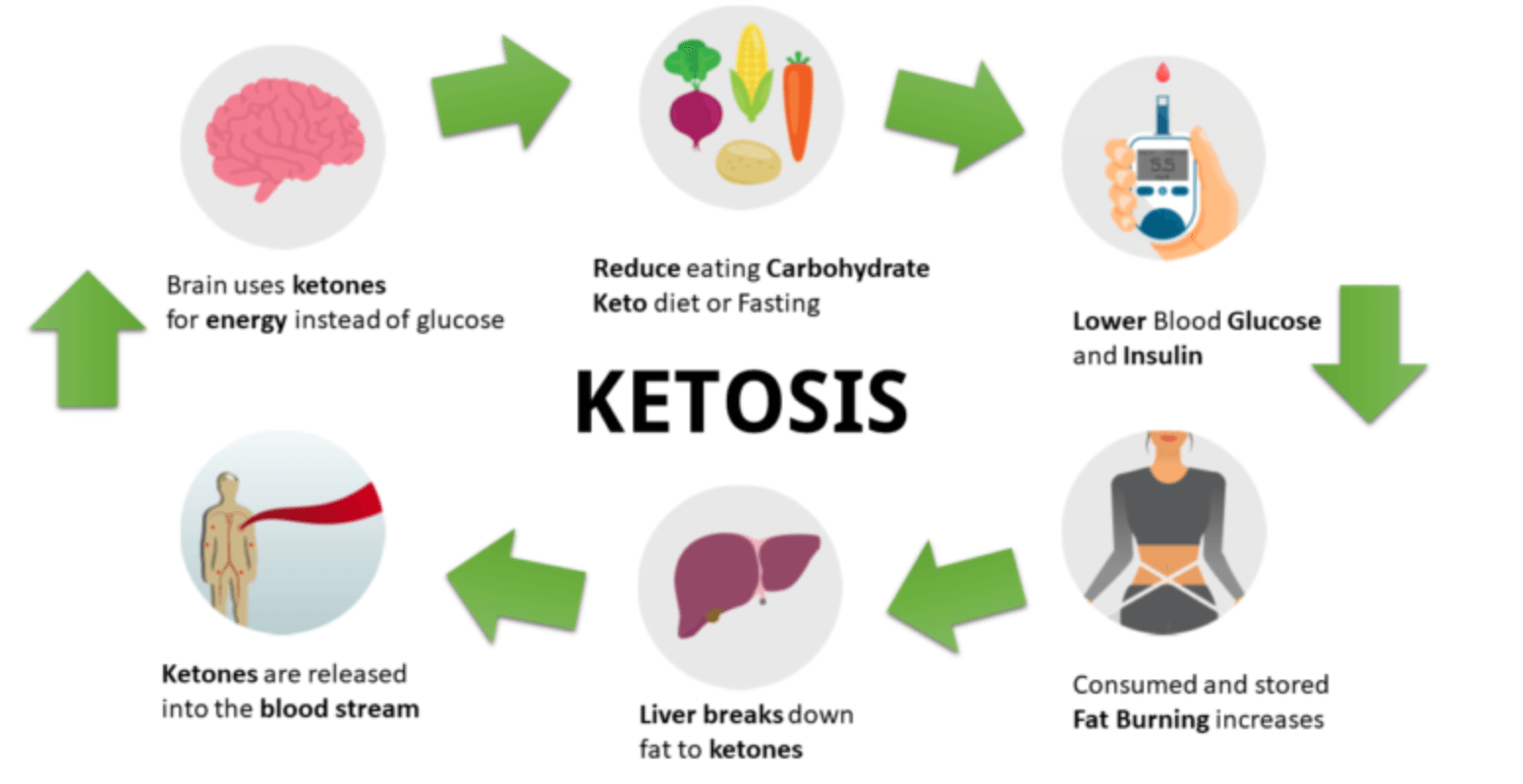
It decreases glycolysis and stimulates ketogenesis, which mostly occurs in the liver, by substituting glucose with lipids for the production of ATP. This process begins by ingesting more fat and fewer carbohydrates, which reduces insulin levels and promotes the release of free fatty acids (FFAs) from adipocytes.
Under low-carbohydrate conditions, FFAs undergo β-oxidation and produce acetyl-CoA, which is subsequently transformed into ketone bodies (acetoacetate, acetone, and β-hydroxybutyrate), which are alternative sources of energy for the brain, muscles, and heart.
Since ketone metabolism is more energy-efficient than glucose metabolism, ketones can directly enter the Krebs cycle and avoid glycolysis.
Furthermore, ketone bodies regulate cellular signaling, oxidative stress, and inflammation. Elevated ketone levels, which might come from starvation and dietary changes, are characteristic of a state of ketosis; nutritional ketosis levels on a keto diet can exceed 5 mmol/L.
Clinical Applications of The Keto Diet
The keto diet could help diabetic patients through improved glucose management and weight loss, whereas adhering can be difficult.
Research findings suggest that a keto diet could lower inflammatory indicators and low-density lipoprotein (LDL) cholesterol levels, thus reducing the risk of heart disease.
In the context of weight management, the keto diet resulted in significant weight loss and enhanced metabolic parameters, surpassing low-fat diets.
Low-carbohydrate diets might aggravate nonalcoholic fatty liver disease (NAFLD) in some cases, although the keto diet could boost gut microbiome health and promote a feeling of fullness.
The keto diet demonstrated potential for treating polycystic ovarian syndrome (PCOS) through decreasing insulin resistance and androgen levels.
The keto diet has been demonstrated to improve mitochondrial function and reduce oxidative stress in neurological diseases such as Alzheimer’s and Parkinson’s.
Low-carbohydrate diets are more effective than low-fat diets for long-term weight loss, as they decrease tumor growth and improve chemotherapy efficacy.
The keto diet reduces carbohydrates and moderates’ protein intake in order to decrease glucose synthesis, which leads to rapid weight loss while preserving muscle mass.
Keto-Friendly Foods to Eat and Avoid
1. Foods to Eat
A. Animal Proteins
-
- Seafood: Low in carbs, high in omega-3 fats; recommended 8-1 oz per week.
- Meat and Poultry: Staple foods; grass-fed options preferred for higher omega-3 and CLA.
- Eggs: Low in carbs, high in protein; yolk contains important nutrients for eye health.
B. Dairy and Alternatives
-
- Cheese: High-fat, low-carb options; may protect against heart disease. Types include cheddar, feta, and mozzarella.
- Plain Greek Yogurt/Cottage Cheese: Nutritious, high protein, can decrease appetite.
- Cream/Half-and-Half: Low in carbs, high in fat; consume in moderation.
- Unsweetened Plant-Based Milk: Keto-friendly varieties like almond and coconut milk; avoid sweetened and oat milk.
C. Vegetables
-
- Leafy Greens: Include lettuce, spinach, arugula, and various cooking greens.
- High Fat Veggies: Avocados and olives, beneficial for heart health.
- Non-starchy Vegetables: Low-calorie and carb options like cauliflower and spaghetti squash; avoid potatoes and high-carb squashes.
- Nuts and Seeds: High-fat, low-carb options beneficial for heart health; consider almonds, walnuts, and chia seeds.
- Berries: Low-carb fruit alternatives, particularly raspberries and strawberries; rich in antioxidants.
- Dark Chocolate/Cocoa Powder: Contains antioxidants; optimum for 70% cocoa or higher, consume in moderation.
D. Fats and Oils
-
- Olive Oil: Rich in healthy fats and antioxidants, excellent for cooking.
- Butter and Ghee: Carb-free, may be beneficial for health.
2. Foods to Avoid
-
- Consumption of refined carbs such as bread, pasta, and rice may render it difficult to achieve ketosis if the daily carbohydrate intake over the recommended amount.
- Starchy vegetables (e.g., potatoes, sweet potatoes, corn) are often avoided on keto due to their high carb content; non-starchy veggies are recommended.
- Sweetened yoghurt and flavored milk products may contain high amounts of carbs; unsweetened alternatives, such as Greek yoghurt, are recommended.
- Specific fruits might be rich in carbs, making ketosis more difficult to achieve.
- Beans and legumes are nutritious, although they have high amounts of carbohydrates; only small amounts can be added to the diet.
- Quinoa and other grains are too rich in carbs for keto, so use them as toppings rather than major ingredients.
Sample 7-Days Keto Meal Plan for Beginners
Day 1 — Saturday
-
- Breakfast: includes scrambled eggs with jalapeños, green onions, tomatoes, and sunflower seeds.
- Lunch: Tuna salad with tomatoes, avocado, and macadamia nuts.
- Dinner: Grilled ribeye and non-starchy vegetables.
- Snacks: include celery sticks with almond butter dip, fruit, and nuts.
Day 2 — Sunday
-
- Breakfast: Yoghurt with keto granola.
- Lunch: A grass-fed beef burger (no bun) with guacamole, tomato, and kale salad.
- Dinner: Stir-fry chicken, broccoli, mushrooms, and peppers with homemade satay sauce.
- Snacks: include sugar-free turkey salami and an egg and vegetable muffin.
Day 3 — Monday
-
- Breakfast: Egg muffins topped with Cheddar cheese, spinach, and sun-dried tomatoes.
- Lunch: Spicy cauliflower soup with bacon or tofu.
- Dinner: Garlic and herb-buttered prawns on zucchini noodles.
- Snacks: include roasted turkey and cucumber buns, celery, and pepper with guacamole.
Day 4 — Tuesday
-
- Breakfast: Scrambled eggs over sautéed greens with pumpkin seeds.
- Lunch: Chicken mayonnaise salad with cucumbers, avocado, tomatoes, almonds, and onion.
- Dinner: Beef stew with mushrooms, onions, celery, herbs, and beef stock.
- Snacks: include olives and a smoothie made with almond milk, nut butter, chia seeds, and spinach.
Day 5 — Wednesday
-
- Breakfast: An omelette with mushrooms, broccoli, and peppers.
- Lunch: Avocado and egg salad with onion and spices served in lettuce cups.
- Dinner: Cajun-flavoured chicken breast, cauliflower rice, and Brussels sprout salad.
- Snacks: include nuts, cheese slices, and bell peppers.
Day 6 — Thursday
-
- Breakfast: A smoothie made with almond milk, nut butter, spinach, chia seeds, and protein powder.
- Lunch: Shrimp and avocado salad with tomatoes, feta cheese, herbs, lemon juice, and olive oil.
- Dinner: is garlic butter steak with mushrooms and asparagus.
- Snacks: include cooked eggs and flax crackers with cheese.
Day 7 — Friday
-
- Breakfast: two eggs fried in butter with avocado and blackberries.
- Lunch: Grilled salmon served with a mixed leafy green and tomato salad.
- Dinner: is chicken breast with cauliflower mash and green beans.
- Snacks: include kale chips and cheese slices with bell peppers.
Common Keto Diet Mistakes and How to Avoid
- Eating carbohydrate-rich foods: The Keto diet is typically defined as consuming less than 10% of carbs per day, but to induce ketosis, intake may need to be around 20 to 50 grams of carbs per day in a 2-calorie diet.
- Eating too much protein: Eating too much protein may disturb ketosis due to excess protein can be converted to glucose, opposing low-carb aims; the recommended protein consumption is 30-35%.
- Consuming low-fat diets: The ketogenic diet requires a high-fat intake for the replacement of lost carbohydrates, with healthy fats accounting for at least 70% of total calories.
- Neglect to include enough sodium in your meals: Low-carb diets lower insulin levels, resulting in sodium loss and possible deficiencies, which can cause feeling tired and cramping; optimizing sodium content can assist.
- Feeling discouraged in the beginning: Switching to a low-carb diet may cause initial discomfort (keto-flu), which might take several days to weeks for the body to adjust; patience is required.
- The keto diet may be beneficial for obesity and type 2 diabetes, but long-term weight loss is best achieved through gradual, healthy lifestyle adjustments rather than excessive carbohydrate reduction.
Keto Diet Possible Risks
- The benign metabolic ketosis caused by carbohydrate restriction could potentially lead to ketoacidosis in people who have a vulnerability to the disorder. Carbohydrate-restricted, high-fat diets can have negative metabolic outcomes when followed over an extended period of time.
- The short-term impacts of the ketogenic diet are well-documented, with common side effects including “keto flu,” which causes nausea, vomiting, headaches, and lethargy. All of these symptoms normally go away within a few weeks, and staying hydrated and replenishing your electrolytes can help.
- The long-term health effects of the ketogenic diet are unknown due to insufficient study, increasing concerns about hepatic steatosis, nutrient deficiencies, digestive difficulties, and an increased risk of kidney stones and heart disease.
- Possible side effects also include muscle loss and cognitive decline.
- Patients with diabetes or other medical conditions should be cautious as concurrent medications may need to be adjusted.
- Diet-induced acetone conversion can cause false positive breath alcohol tests.
Ready to start keto? Talk to your doctor first! A quick consultation ensures your weight loss journey is not only effective, but most importantly, safe for you.
References
- Masood, W., Annamaraju, P., & Khan Suheb, M. Z. (2023). Ketogenic diet. In StatPearls Publishing. National Library of Medicine.
- Chen, S., Su, X., Feng, Y., Li, R., Liao, M., Fan, L., Liu, J., Chen, S., Zhang, S., Cai, J., Zhu, S., Niu, J., Ye, Y., Lo, K., & Zeng, F. (2023). Ketogenic diet and multiple health outcomes: An umbrella review of meta-analyses. Nutrients, 15(19), 4161. MDPI
- Batch, J. T., Lamsal, S. P., Adkins, M., Sultan, S., & Ramirez, M. N. (2020). Advantages and disadvantages of the ketogenic diet: A review article. Cureus, 12(8), e9639. Cureus Journal of Medical Science
- Veldhorst, M. A., Westerterp-Plantenga, M. S., & Westerterp, K. R. (2009). Gluconeogenesis and energy expenditure after a high-protein, carbohydrate-free diet. The American Journal of Clinical Nutrition, 90(3), 519–526. ScienceDirect.
- Westerterp-Plantenga, M. S., Nieuwenhuizen, A., Tomé, D., Soenen, S., & Westerterp, K. R. (2009). Dietary protein, weight loss, and weight maintenance. Annual Review of Nutrition, 29, 21–41. ANNUAL REVIEWS
- Shahpasand, S., Khatami, S. H., Ehtiati, S., Alehossein, P., Salmani, F., Toutounchi, A. H., Zarei, T., Shahmohammadi, M. R., Khodarahmi, R., Aghamollaii, V., Tafakhori, A., & Karima, S. (2024). Therapeutic potential of the ketogenic diet: A metabolic switch with implications for neurological disorders, the gut-brain axis, and cardiovascular diseases. The Journal of Nutritional Biochemistry, 132, 109693. ScienceDirect.