
Prolonged high blood pressure can damage blood vessels and lead to various medical conditions, including heart attack and stroke.
Thank you for reading this post, don't forget to subscribe!Natural remedies for high blood pressure are considered of great value and have valuable beneficial effects on health. Although dietary supplements, including vitamins, minerals, and herbs, have been used for various medical conditions, their safety and efficacy, especially in managing hypertension, are debated.
Misunderstandings about the safety of natural products lead to self-medication, which can result in serious drug interactions, such as those with garlic. It’s important to be aware of the symptoms of high blood pressure to understand your risk.
In this article, we are going to discuss how to naturally lower high blood pressure without medications using natural remedies.
Effective Natural Remedies to Lower High Blood Pressure
A. Dietary Supplements That Help Naturally Lower Blood Pressure
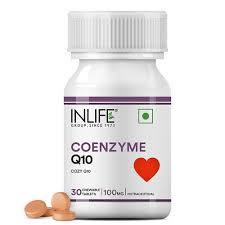
1. Coenzyme Q10
Coenzyme Q10 (CoQ10), or ubiquinone, is a fat-soluble substance found in all cellular membranes. It is both consumed in the diet and generated by the body.
CoQ10 has been found to boost the production of key antioxidants like superoxide dismutase, which help reduce oxidative stress, especially in people with high blood pressure.
It also decreases lipid peroxidation by inhibiting pro-oxidative agents, improves blood flow, and protects blood vessels through regulating nitric oxide levels.
Despite the fact that CoQ10 has not been approved by the Food and Drug Administration (FDA) for any specific health condition, it is readily available as an over-the-counter dietary supplement and is frequently suggested by medical professionals to naturally lower high blood pressure.
2. Beetroot
Beetroot, known for its positive health effects, enhances endurance during exercise and lowers blood pressure.
Beetroot’s high dietary nitrate level stimulates nitric oxide synthesis, leading to vasodilation and lowering blood pressure.
Research demonstrates substantial declines in systolic and diastolic pressure after consumption, with effects extending up to 24 hours and peaks between 3-6 hours. However, results differ, and a recent meta-analysis found small reductions in systolic pressure while diastolic effects were minor.
Longer-term studies have to be conducted to investigate long-term effects and drug interactions, particularly with nitrates and phosphodiesterase-5 inhibitors. Concentrated beetroot juice is the most investigated form, as it is easier to consume and causes less gastrointestinal distress.

3. Riboflavin
An essential water-soluble vitamin, riboflavin functions as a coenzyme in redox reactions and energy metabolism.
Blood pressure and riboflavin ingestion are inversely correlated, according to research, and supplementation may lower blood pressure in high-risk people with the MTHFR 677TT genotype. However, in contrast to addressing dietary riboflavin in the general population, these studies mostly focused on high dosages in certain groups.
Higher riboflavin intake plays an important role in avoiding hypertension, and the study shows that it may be a target for intervention in cases of new-onset hypertension.

4. Resveratrol (RESV)
Resveratrol (RESV), which is found in red grapes and plants that can endure extreme weather conditions, is classified as a food supplement by the European Food and Safety Authority (EFSA) and can thus be consumed without a prescription.
RESV is thought to contribute to controlling blood pressure when utilized alongside standard therapy for hypertension by increasing the production of nitric oxide (NO), an endogenous and potent vasodilator produced in the endothelium lining blood vessels, where it facilitates vasodilation by activating the enzyme guanylate cyclase (GC).
GC then triggers a signaling cascade, leading to smooth muscle relaxation and vasodilation. Vasodilation lowers peripheral resistance, directly affecting arterial pressure and lowering blood pressure.
Resveratrol at high doses (≥ 150 mg/day) promises to substantially decrease systolic blood pressure; however, additional investigation remains required to determine the optimum dose and benefits over the long term.

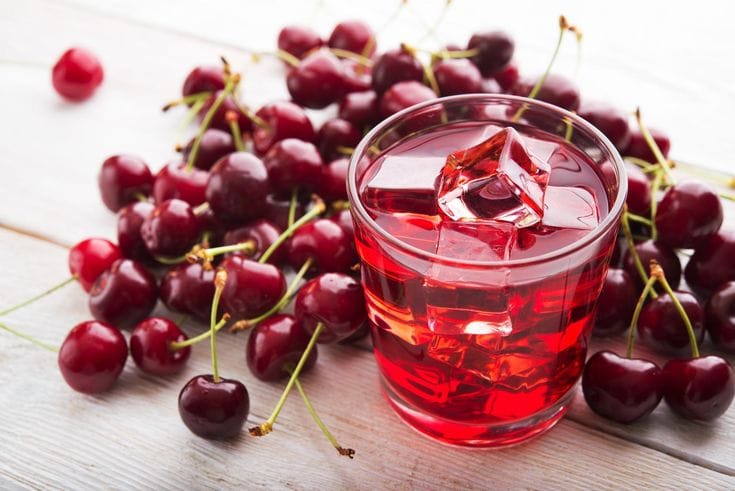
5. Cherry Juice
Tart cherry juice could boost cardiovascular health in older people by lowering LDL cholesterol and systolic blood pressure.
Cherries’ polyphenol and anthocyanin levels have been demonstrated to provide beneficial health effects like better sleep, less inflammation, less stiffness in the muscles, and lower blood pressure.
To keep up these health benefits, it is best to drink cherry juice with minimal added sugar.
6. Barberries
Barberries have been studied for potential effects on cardiovascular risk factors and are a rich source of natural antioxidants, including berberine and anthocyanins.
Barberries may have antihypertensive properties, according to experimental research, thereby rendering them ideal food supplements for managing high blood pressure (BP). In vitro research reveals that they may inhibit the angiotensin-converting enzyme (ACE).
Further investigation utilizing more precise measurement methods, like ambulatory blood pressure monitoring, is needed for understanding their significance and the mechanisms underlying blood pressure regulation.
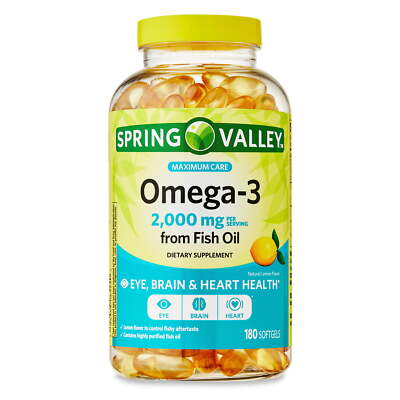
 7. Fish Oil
Strong scientific evidence supports the assertion that fish oil helps to naturally lower blood pressure. Interest in fish oil’s heart health benefits grew in the 1970s, when populations with fish-rich diets were experiencing lower heart attack rates.
A 2023 meta-analysis of eight studies revealed that consuming omega-3 fatty acids lowered systolic and diastolic blood pressure in those with metabolic syndrome while simultaneously reducing cholesterol levels.
A daily use of 2 to 3 g of omega-3 supplements for approximately 10 weeks significantly lowered blood pressure, based on a meta-analysis of 71 trials.
Systolic blood pressure decreased by 4.5 mm Hg in patients with high blood pressure and by 2 mm Hg in individuals without a history of high blood pressure. Doses of more than 3 grams could offer other benefits, according to experts.
8. Garlic
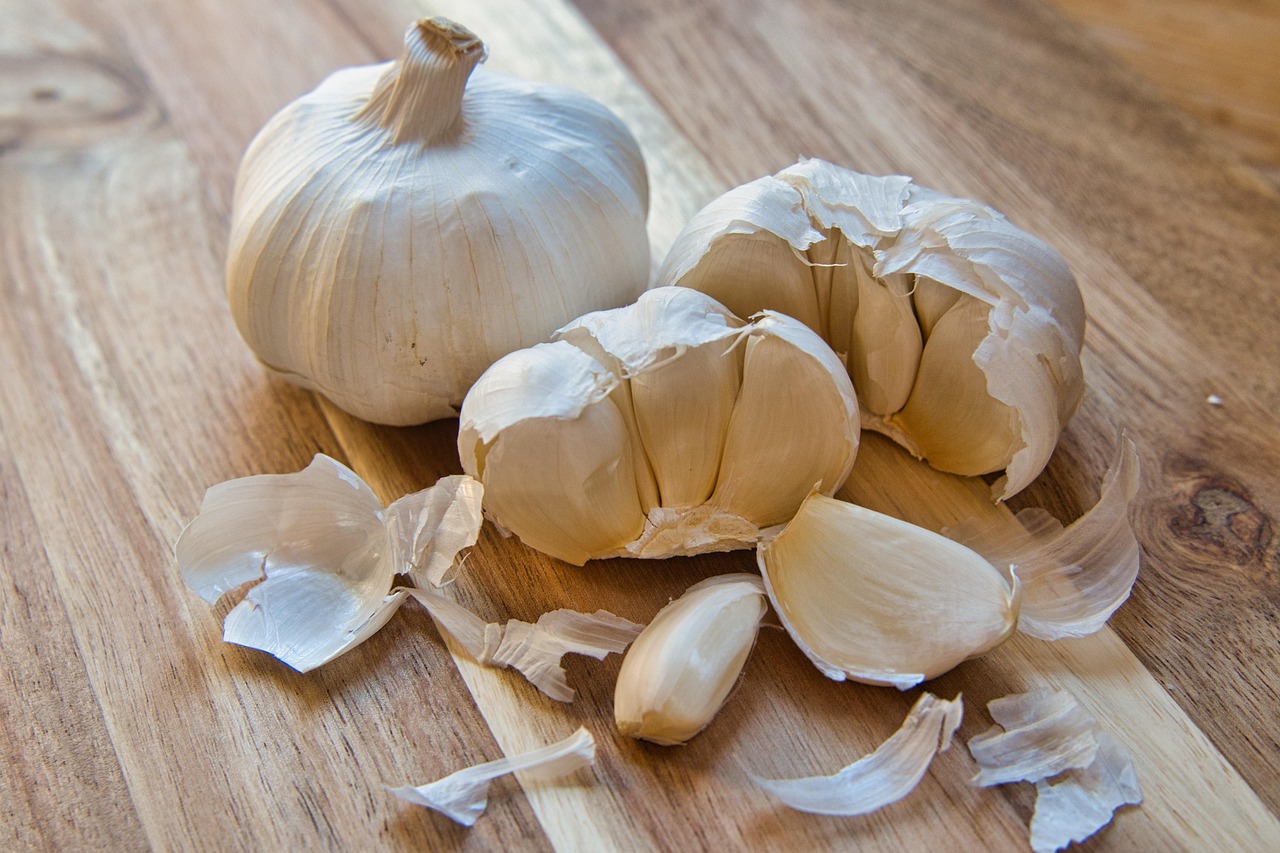
Garlic is possibly advantageous for hypertension, possibly due to its active component alliin, which transforms into allicin when garlic cells are broken down.
A meta-analysis demonstrated that garlic reduces systolic blood pressure (SBP) by 7.7 mm Hg and diastolic blood pressure (DBP) by 5.0 mm Hg compared to placebo. However, optimal dosages have not been established, and its efficacy is still controversial, with some studies encouraging its usage and others indicating no impact.
The variation in results is most likely due to differences in research technique and formulations. More study designs are needed that show garlic’s beneficial effects in hypertension treatment.
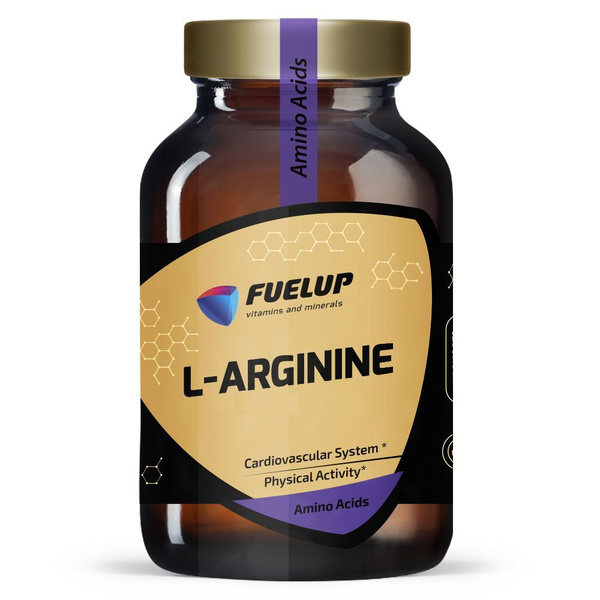
9. L-Arginine
According to the Natural Medicines Comprehensive Database (NMCD), L-arginine does not appear to be useful in the treatment of hypertension, while some studies suggest some benefit.
It functions as a substrate for nitric oxide synthesis, which is essential for regulating vascular tone. A crossover study found significant blood pressure reduction among individuals who consume arginine-rich diets.
Another study found beneficial effects on blood pressure in hypertensive kidney transplant and hemodialysis patients.
A study of people with type 2 diabetes found that arginine had temporary antihypertensive effects. In general, arginine appears to be useful only in acute blood pressure management.
10. Vitamin E
Vitamin E could offer limited benefits for mildly hypertensive individuals, with some studies showing reductions in systolic blood pressure (SBP), probably due to improved nitric oxide synthesis.
However, its overall effectiveness in hypertension control varies, with certain research studies finding no significant effect on diastolic blood pressure (DBP) or on patients already receiving medications.
As a result, vitamin E is not an essential element that helps to naturally lower high blood pressure and should be discussed with a healthcare professional.
11. Vitamins C & D
Vitamins C and D play important roles in blood pressure management. According to Johns Hopkins University School of Medicine research, high doses of vitamin C, approximately 500 mg daily, might result in slight blood pressure decreases, possibly acting as a diuretic to remove excess water and alleviate pressure in blood vessels.
Furthermore, vitamin D can be beneficial for overall health since a 2013 review found that vitamin D deficiency can increase the risk of hypertension.
Taking supplements with vitamin D may help naturally lower high blood pressure by affecting several biological processes, and it can also be found in plenty of foods.
B. Lifestyle Habits to Naturally Lower High Blood Pressure
1. Healthy Diet to Reduce Blood Pressure Naturally
The DASH (Dietary Approaches to Stop Hypertension) diet focuses on various kinds of food types that help improve general health and lower hypertension.
The DASH diet includes a high intake of vegetables and fruits, which contain essential vitamins, minerals, and fiber.
In addition, whole grains are a vital component, providing complex carbohydrates along with essential minerals.
Lean protein sources, such as meat, fish, poultry, and lentils, assist with maintaining a balanced diet while limiting unhealthy fat consumption.
In contrast, the DASH diet restricts specific food elements, including saturated and trans fats, as well as added sugars and sodium, to promote cardiovascular health and prevent hypertension.
2. Exercise and Physical Activity for Blood Pressure Control
In order to maintain good health and control conditions like high blood pressure, regular exercise is a vital addition to a healthy diet. High blood pressure may be successfully lowered by doing physical activity.
To get the greatest possible positive health effects, patients with high blood pressure are encouraged to get at least 40 minutes of light to moderate exercise three or four days a week.
Managing stress is another critical component of heart health, as chronic stress can also elevate blood pressure.
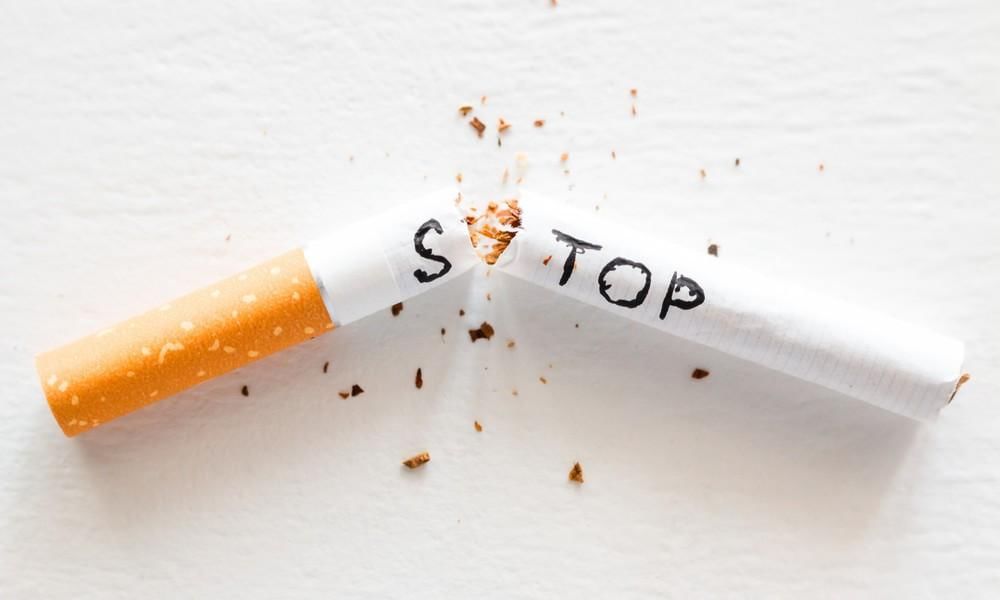
3. Quit Smoking
Smoking leads to many cardiovascular diseases by temporarily raising blood pressure with each cigarette.
Although the long-term effects on blood pressure have yet to be confirmed, smoking is strongly linked to acute hypertension.
It may also hurt central blood pressure, causing damage to organs, as well as induce inflammation, which can lead to long-term blood vessel damage. People attempting to quit smoking should consult with their physician about nicotine replacement therapies.
Takeaways: How to Naturally Lower High Blood Pressure
Although the safety and efficacy of dietary supplements, such as vitamins, minerals, and herbs, are up for debate, natural treatments for hypertension have been recognized for their positive health effects.
Myths about the safety of natural items can result in self-medication and potentially dangerous drug interactions. Always consult your physician before using any dietary supplements or modifying lifestyle habits.
Being proactive about your cardiovascular health also means knowing the early warning signs of heart disease.
You can also explore our comprehensive guide to other effective home remedies for more information.
References
- Juraschek, S. P., Guallar, E., Appel, L. J., & Miller, E. R., 3rd (2012). Effects of vitamin C supplementation on blood pressure: a meta-analysis of randomized controlled trials. The American journal of clinical nutrition, 95(5), 1079–1088. From ScienceDirect.
- Wilburn, A. J., King, D. S., Glisson, J., Rockhold, R. W., & Wofford, M. R. (2004). The natural treatment of hypertension. Journal of clinical hypertension (Greenwich, Conn.), 6(5), 242–248. From Wiley Online Library.
- Moser M. (2004). Effective treatment of hypertension without medication: is it possible? Journal of clinical hypertension (Greenwich, Conn.), 6(5), 219–221. From Wiley Online Library.
- Turner, J. M., & Spatz, E. S. (2016). Nutritional supplements for the treatment of hypertension: A practical guide for clinicians. Current Cardiology Reports, 18(12), 126. From LinkSpringer.
- Liu, M., Zhou, C., Zhang, Z., Li, Q., He, P., Zhang, Y., Li, H., Liu, C., & Qin, X. (2020). Inverse association between riboflavin intake and new-onset hypertension: A nationwide cohort study in China. Hypertension, 76(6), 1709–1716. From American Heart Association Journals.
- Theodotou, M., Fokianos, K., Mouzouridou, A., Konstantinou, C., Aristotelous, A., Prodromou, D., & Chrysikou, A. (2017). The effect of resveratrol on hypertension: A clinical trial. Experimental and therapeutic medicine, 13(1), 295–301. From Spandidos Publications.
- Emamat, H., Zahedmehr, A., Asadian, S., & Nasrollahzadeh, J. (2022). The effect of purple-black barberry (Berberis integerrima) on blood pressure in subjects with cardiovascular risk factors: A randomized controlled trial. Journal of Ethnopharmacology, 289, 115097. From ScienceDirect.
- Chai, S. C., Davis, K., Wright, R. S., Kuczmarski, M. F., & Zhang, Z. (2018). Impact of tart cherry juice on systolic blood pressure and low-density lipoprotein cholesterol in older adults: a randomized controlled trial. Food & function, 9(6), 3185–3194. From Royal Society of Chemistry (RSC) Publishing.