

Omega-3 fatty acids, known as healthy fats, can help maintain heart health by lowering triglycerides. They additionally enhance brain function. Important forms include DHA and EPA from seafood, as well as ALA from plants. Let’s take a deep dive into the different kinds of omega-3 fatty acids and their potential benefits for heart and brain health.
Thank you for reading this post, don't forget to subscribe!What Are Omega-3 Fatty Acids? And Their Types
Omega-3 polyunsaturated fatty acids (PUFAs), or omega-3, are fatty acids with a double-bond structure that includes three atoms in the opposite direction of the methyl group.
PUFAs are classified into two distinct categories: omega-3 and omega-6. They differ from saturated and monounsaturated fatty acids by having two or more double bonds between carbons in the fatty acid chain.
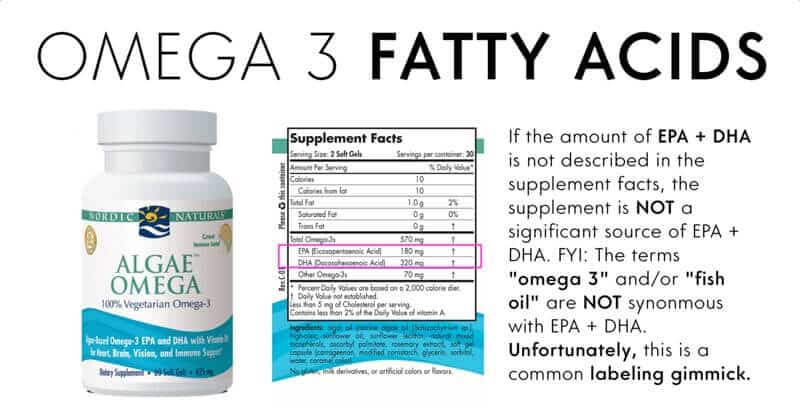
There are three types of PUFAs: alpha-linolenic acid (ALA), eicosapentaenoic acid (EPA), and docosahexaenoic acid (DHA).
ALA has 18 carbon atoms, whereas EPA and DHA are long-chain (LC) omega-3s, with EPA having 20 and DHA having 22.
PUFAs are commonly identified by the number of carbon atoms and double bonds. For example, ALA is classified as C18:3n-3 because it has 18 carbons and 3 double bonds and is an n-3, or omega-3, fatty acid. Similarly, EPA is referred to as C20:5n-3, and DHA as C22:6n-3.
Sources of Omega-3 Fatty Acids
Some food items naturally contain omega-3 fatty acids, while others have been modified with them. Consuming a range of foods, such as the following, can provide you with adequate levels of omega-3s: –
-
- Fish and other seafood, primarily cold-water fatty fish like sardines, salmon, mackerel, tuna, and herring.
- Nuts and seeds (such as walnuts, chia seeds, and flaxseed).
- Plant oils, including canola, soybean, and flaxseed oils.
- Certain brands of eggs, yoghurt, juices, milk, and soy beverages are examples of fortified foods.
Uses and Mechanisms of Omega-3 Fatty Acids
The FDA-approved indication for omega-3 fatty acids is to lower triglycerides through various mechanisms, although the exact mechanism of action is unknown.
They may reduce lipogenic gene expression by reducing sterol regulatory element-binding protein 1c, which restricts cholesterol and fatty acid production.
In addition, omega-3s enhance beta-oxidation of fatty acids by upregulating carnitine acetyltransferase 1 and acetyl-CoA carboxylase, allowing more triglycerides to be used as energy.
Omega-3 fatty acids also promote the production of lipoprotein lipase (LPL), which aids in the removal of triglycerides from the bloodstream.
Further, long-term omega-3 consumption has been correlated with enhanced metabolic rate and lower body fat, most likely because they act as ligands for peroxisome proliferator-activated receptors (PPARs), which control lipid and glucose metabolism in addition to lower triglyceride levels.
How It Works in the Brain and Heart
In addition to regulating triglycerides, omega-3 fatty acids have other modes of action that promote cardiovascular and mental health through their anti-inflammatory properties. They can impact the following key inflammatory pathways: –
-
- Suppression of leukocyte chemotaxis.
- Inhibition of adhesion molecule expression, which affects leukocyte-endothelial interactions.
- Cyclooxygenase (COX) activity is inhibited, leading to reduced eicosanoid synthesis.
- Decrease pro-inflammatory cytokines such as TNF-α, IL-1, and IL-6.
- Increased production of chemicals that reduce inflammation, such as resolvins, maresins, lipoxins, and protectins.
- Blocking the activation of pro-inflammatory nuclear factor kappa B (NF-kB).
- Activation of the anti-inflammatory transcription factor NR1C3.
- The activation of peroxisome proliferator-activated receptors.
- Activation of the G protein-coupled receptor GPR120.
- Modification of phospholipid fatty acid concentration.
- Lipid raft disruption.
Related — Mediterranean Diet Plan for Heart Health
Omega-3 Benefits for Heart and Brain Function
1. Cardioprotective Effects
Omega-3 fatty acids are supportive of cardiovascular health, especially in people with congestive heart failure (CHF).
They limit mitochondrial oxygen consumption while protecting the heart from exhaustion.
Docosahexaenoic acid (DHA) modulates mitochondrial membrane composition, whilst eicosapentaenoic acid (EPA) protects against damage to the heart brought about by saturated fatty acids.
Omega-3s also protect against arrhythmias by blocking sodium electrical signals and increasing autonomic tone, as well as inducing vasodilation, which helps the heart pump more efficiently.
Furthermore, these fatty acids have antithrombotic and anti-atherosclerotic properties, which influence platelet activity and vascular responses.
2. Effects on Brain Health
Beyond heart health, omega-3 supplementation has been linked to improved cognitive abilities, enhanced mental performance, improved brain circulation, and an overall reduction in neuronal cell death and inflammation, all of which are vital for brain growth and maintenance.
Preclinical and clinical trials have demonstrated that higher DHA-rich fish consumption minimizes the onset of dementia and decline in mental status.
Studies also found that omega-3 supplementation is linked to increased phosphatide levels in the brain, enhancement of neurotransmitter release, and improvement of mental performance.
Omega-3 Fatty Acid Side Effects
The FDA-approved fatty acid prescriptions (icosapent ethyl, omega-3-acid ethyl esters, omega-3-carboxylic acids, and omega-3-acid ethyl esters A) are typically safe, with minor side effects such as fishy taste, eructation, dyspepsia, diarrhea, flatulence, nausea, and arthralgia.
-
- Icosapent ethyl: Arthralgia and oropharyngeal discomfort.
- Omega-3-acid ethyl esters & omega-3-acid ethyl esters A: Eructation, dyspepsia, taste alterations, constipation, GI problems, vomiting, elevated ALT/AST, pruritus, and rash.
- Omega-3-carboxylic acids: Diarrhea, nausea, abdominal pain or discomfort, eructation, abdominal distension, constipation, vomiting, tiredness, nasopharyngitis, arthralgia, and dysgeusia.
Safety Warnings and Recommendations
Because of omega-3 fatty acids’ capacity to lower platelet activity, patients taking antiplatelet and anticoagulant medications should be cautious when consuming omega-3 fatty acids and undergo periodic monitoring.
Furthermore, omega-3 fatty acids aren’t considered to be allergenic, but the FDA warnings recommend caution in those allergic to seafood. Those who are sensitive to the specific formulation of omega-3 fatty acid products should avoid them.
Patients utilizing DHA-containing products, such as omega-3-acid ethyl esters and omega-3-carboxylic acids, should keep their LDL levels monitored because DHA has been associated with elevated LDL cholesterol. For patients with dyslipidemia, icosapent ethyl is another option that doesn’t impact LDL levels.
Monitoring AST and ALT levels becomes crucial for individuals with hepatic impairment.
Furthermore, for those with paroxysmal or chronic atrial fibrillation, omega-3-acid ethyl esters may be correlated with increased probability of symptomatic atrial fibrillation or flutter.
Related — How to Prevent Blood Clots After Surgery?
Recommended Daily Omega-3 Dosage for Adults
The FDA has approved omega-3 fatty acids as a supplement to diet and physical activity for adults with hypertriglyceridemia (≥500 mg/dL). The recommended daily doses are as follows: –
- Icosapent ethyl: 4 g/d taken twice a day with meals in 2-gram capsules.
- 4 g/d of omega-3-acid ethyl esters can be administered as 2 capsules twice a day with meals or as 4 capsules once a day.
- Omega-3-carboxylic acids: 4 g/d as 4 capsules once daily or 2 g/d as 2 capsules once daily.
- Omega-3-acid ethyl esters (A): 4 g/d as 2 capsules taken twice a day with meals or 4 capsules taken once a day.
It is best to consume omega-3 supplements intact rather than crushed, chewed, or diluted. If a dose is skipped, it should be taken as soon as it is remembered; if the next capsule time is near, avoid taking two doses.
References
- Krupa, K. N., Fritz, K., & Parmar, M. (2024). Omega-3 fatty acids. In StatPearls. StatPearls Publishing. From PubMed.
- Office of Dietary Supplements, National Institutes of Health. (2025). Omega-3 fatty acids (Fact Sheet for Consumers). From NIH.
- Khan, S. U., Lone, A. N., Khan, M. S., Virani, S. S., Blumenthal, R. S., Nasir, K., Miller, M., Michos, E. D., Ballantyne, C. M., Boden, W. E., & Bhatt, D. L. (2021). Effect of omega-3 fatty acids on cardiovascular outcomes: A systematic review and meta-analysis. EClinicalMedicine, 38, 100997. From The Lancet.
- Dighriri, I. M., Alsubaie, A. M., Hakami, F. M., Hamithi, D. M., Alshekh, M. M., Khobrani, F. A., Dalak, F. E., Hakami, A. A., Alsueaadi, E. H., Alsaawi, L. S., Alshammari, S. F., Alqahtani, A. S., Alawi, I. A., Aljuaid, A. A., & Tawhari, M. Q. (2022). Effects of omega-3 polyunsaturated fatty acids on brain functions: A systematic review. Cureus, 14(10), e30091. From Cureus.